Official-Affiliate
Official-Affiliate

Chi Siamo
About Us

Sponsor Principali
Main Sponsors


r/Black_Angel_Team

TikTok
TikTok
- Assetto Corsa EVO — Update 0.9 Disponibile: Nuove Vetture, Classifiche Online e Aggiornamento del Modello Fisico – Assetto Corsa EVO — Update 0.9 Disponibile: Nuove Vetture, Classifiche Online e Aggiornamento del Modello Fisico L'Update 0.9 di Assetto Corsa EVO è o...
- Automobilista 2 V1.6.9.91 è Ora Disponibile — Ulteriori Correzioni e Miglioramenti – Automobilista 2 V1.6.9.91 è Ora Disponibile — Ulteriori Correzioni e Miglioramenti Reiza Studios ha rilasciato il piccolo aggiornamento V1.6.9.91 per Auto...
- Project Motor Racing — PMR Test Centre: Un Circuito di Prova Gratuito per Tutta la Community – Project Motor Racing — PMR Test Centre: Un Circuito di Prova Gratuito per Tutta la Community Il team di Project Motor Racing ha rilasciato gratuitamente tramite ...
Notizie
News
29
Settembre
2025

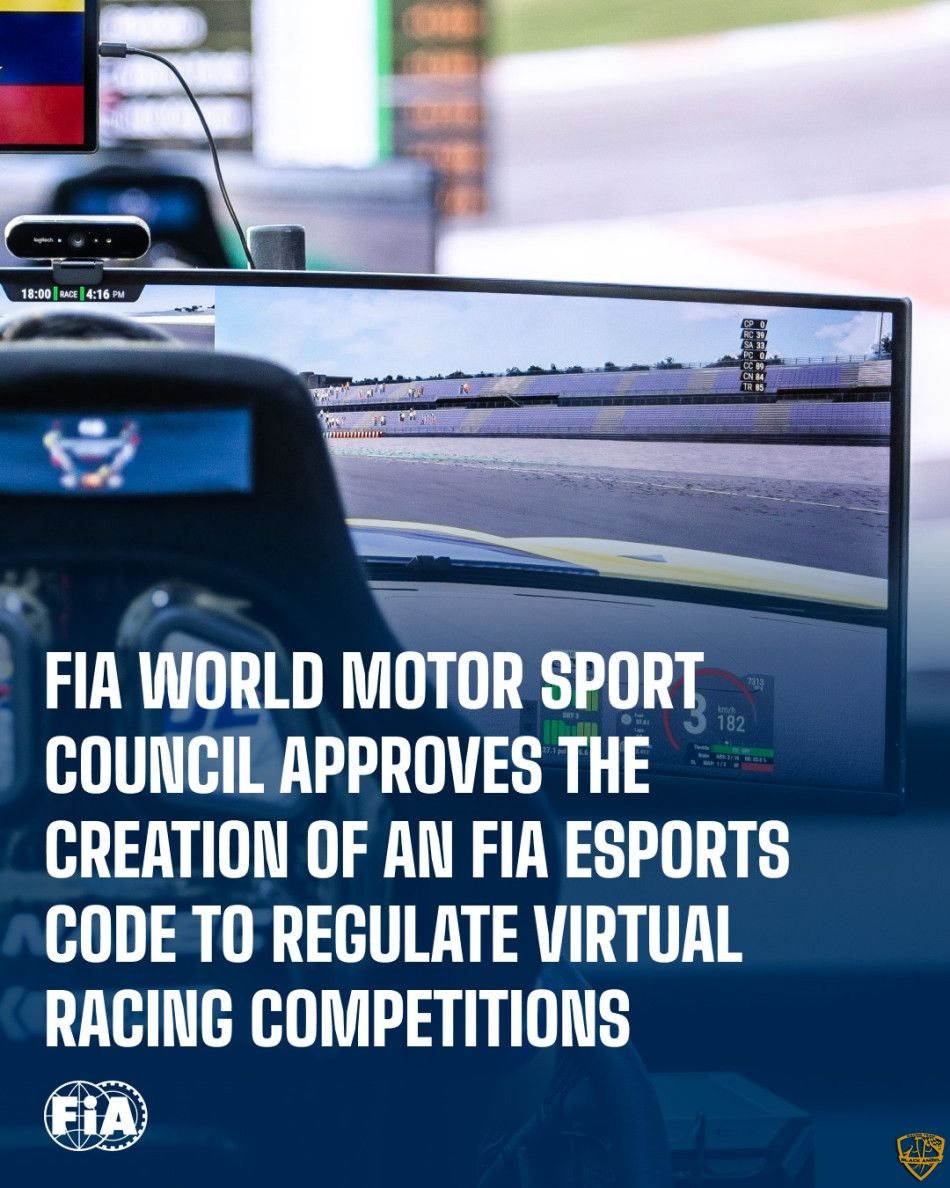
FIA Approva il Codice Esports: Una Rivoluzione Storica per le Competizioni Virtuali

FIA Approva il Codice Esports: Una Rivoluzione Storica per le Competizioni Virtuali
Il World Motor Sport Council segna una svolta epocale per il motorsport digitale con l'approvazione del primo framework regolamentare dedicato agli esports
Kigali, Rwanda – 11 dicembre 2024
In una storica decisione destinata a ridefinire il futuro del motorsport virtuale, il World Motor Sport Council della FIA ha approvato la creazione del FIA Esports Code (Appendice E), il primo quadro normativo di questo tipo mai sviluppato da una federazione sportiva globale. L'annuncio, avvenuto durante la riunione finale del 2024 tenutasi a Kigali, Rwanda, nell'ambito della settimana delle Assemblee Generali FIA, rappresenta un momento cruciale per l'integrazione delle competizioni virtuali nell'ecosistema del motorsport ufficiale.
Una Pietra Miliare per il Motorsport Digitale
La decisione del World Council segna un passo significativo nello sviluppo delle competizioni esports, riconoscendo ufficialmente il crescente ruolo delle corse virtuali nel panorama sportivo globale. Mentre tutte le competizioni di motorsport reale sono governate dall'International Sporting Code, l'introduzione del FIA Esports Code risponde alla rapida crescita delle corse virtuali, fornendo un framework regolamentare specifico per questa nuova dimensione competitiva.
Il nuovo codice regolerà le competizioni di corse esports, fornendo alle ASN (Autorità Sportive Nazionali) gli strumenti legali necessari per condurre eventi di questo tipo a livello nazionale. Questa struttura normativa garantirà standard uniformi, trasparenza e legittimità alle competizioni virtuali, elevandole allo stesso livello di professionalità delle loro controparti nel mondo reale.
Dai Motorsport Games al Futuro
La FIA ha già mosso i primi passi concreti in questo ambito, avendo sanzionato due competizioni esports durante i FIA Motorsport Games del 2024. Questi eventi pilota hanno permesso alla federazione di testare procedure, regolamenti e sistemi organizzativi, ponendo le basi per un'espansione significativa nei prossimi anni.
Le aspettative sono ambiziose: si prevede che molti più eventi riceveranno la sanzione ufficiale FIA nei prossimi anni, creando un calendario internazionale di competizioni virtuali che si affiancherà alle tradizionali serie motoristiche. Questa evoluzione promette di aprire nuove opportunità per piloti, team, sponsor e appassionati in tutto il mondo.
Adattare le Regole al Mondo Virtuale
Una delle sfide più interessanti affrontate nello sviluppo del FIA Esports Code è stata l'adattamento di concetti fondamentali che da sempre esistono nell'International Sporting Code al contesto virtuale. Elementi che sembrano scontati nel motorsport reale, come la definizione di "automobile" o di "pilota", hanno dovuto essere completamente ripensati per avere senso in questa nuova frontiera delle corse.
Queste ridefinizioni non sono meramente tecniche, ma rappresentano un profondo ripensamento di cosa significhi competere nel motorsport nell'era digitale. Il codice deve contemplare aspetti unici delle competizioni virtuali, dalla configurazione hardware dei simulatori alle connessioni internet, dalle penalità virtuali all'identificazione dei partecipanti, creando un ponte tra il mondo fisico e quello digitale.
L'Integrazione dell'Intelligenza Artificiale
In parallelo allo sviluppo del framework esports, la FIA sta lavorando su un altro fronte tecnologico cruciale: l'introduzione di sistemi basati sull'intelligenza artificiale. Il Dipartimento Tecnico e di Sicurezza della federazione sta sviluppando nuovi sistemi che sfruttano l'AI per migliorare il livello di informazioni disponibili ai decisori.
Le applicazioni dell'intelligenza artificiale nel motorsport sono potenzialmente vastissime, e le aree di focus attuale includono:
- Miglioramento degli standard di sicurezza: introduzione di misure preventive per ridurre gli incidenti attraverso l'analisi predittiva dei dati
- Efficienza operativa: automazione di compiti ripetitivi, permettendo al personale di concentrarsi su attività più complesse e di maggior valore
- Equità nelle decisioni: garanzia di maggiore coerenza nel processo decisionale attraverso raccomandazioni basate su precedenti storici, inclusa l'automazione nel rilevamento di infrazioni come i limiti di pista nelle corse su circuito
Implicazioni per il Futuro del Motorsport
L'approvazione del FIA Esports Code rappresenta molto più di un semplice aggiornamento regolamentare. È il riconoscimento formale che il motorsport virtuale non è solo intrattenimento, ma una vera e propria disciplina sportiva che merita la stessa serietà, struttura e governance delle competizioni tradizionali.
Questo sviluppo si inserisce perfettamente nella più ampia strategia Vision 2030 della FIA presentata durante la stessa riunione del World Council, che mira a espandere l'accessibilità globale, promuovere l'innovazione tecnologica e garantire la sostenibilità a lungo termine del motorsport. Gli esports, con i loro costi di accesso ridotti e l'assenza di barriere geografiche, rappresentano uno strumento ideale per democratizzare l'accesso alle corse e attrarre nuove generazioni di appassionati.
Un Ecosistema in Crescita
La creazione del FIA Esports Code arriva in un momento in cui l'industria degli esports motorsport sta vivendo una crescita esplosiva. Simulatori sempre più realistici, competizioni con premi milionari e una base di fan globale in costante espansione hanno trasformato le corse virtuali da passatempo di nicchia a fenomeno mainstream.
Grandi team di Formula 1 e altre serie motorsport hanno già investito significativamente in programmi esports, riconoscendo il valore di questa piattaforma per lo sviluppo dei talenti, l'engagement dei fan e nuove opportunità commerciali. Con il framework regolamentare ora in posizione, ci si aspetta un'ulteriore accelerazione in questo settore.
Conclusioni
L'approvazione del FIA Esports Code da parte del World Motor Sport Council rappresenta un momento storico per il motorsport globale. Come prima federazione sportiva mondiale a creare un framework regolamentare dedicato agli esports, la FIA dimostra leadership e visione nel riconoscere e strutturare questa nuova dimensione competitiva.
Nei prossimi anni, vedremo questo codice prendere vita attraverso un numero crescente di eventi sanzionati, nuove opportunità per piloti virtuali e un'integrazione sempre più stretta tra il motorsport reale e quello digitale. Con l'intelligenza artificiale pronta a giocare un ruolo sempre più importante nella gestione e nell'evoluzione dello sport, il futuro del motorsport si presenta ricco di innovazione e possibilità.
La decisione presa a Kigali segnerà probabilmente l'inizio di una nuova era, in cui il rombo dei motori virtuali avrà lo stesso peso e la stessa dignità di quelli reali, uniti sotto l'egida di regolamenti comuni e di una governance globale.
Ascolta l'Articolo
Devi essere registrato per scrivere commenti!
• Registrati
• Per iscriversi